

Soffit And Fascia Services
Add a review FollowOverview
-
Founded Date July 24, 1956
-
Sectors Account Manager
-
Posted Jobs 0
-
Viewed 26

Company Description
Upvc Soffit Tools To Improve Your Daily Lifethe One Upvc Soffit Trick Every Person Should Learn
Understanding UPVC Soffit: A Comprehensive Guide
Intro
The world of home structure and renovation is filled with myriad options, and one such choice that homeowners typically deal with is concerning products for soffits. Amongst the different alternatives readily available, Unplasticized Polyvinyl Chloride (UPVC) has become a popular option. This post delves into what UPVC soffit is, its benefits, installation suggestions, maintenance, and more, offering a well-rounded understanding for those considering this alternative.
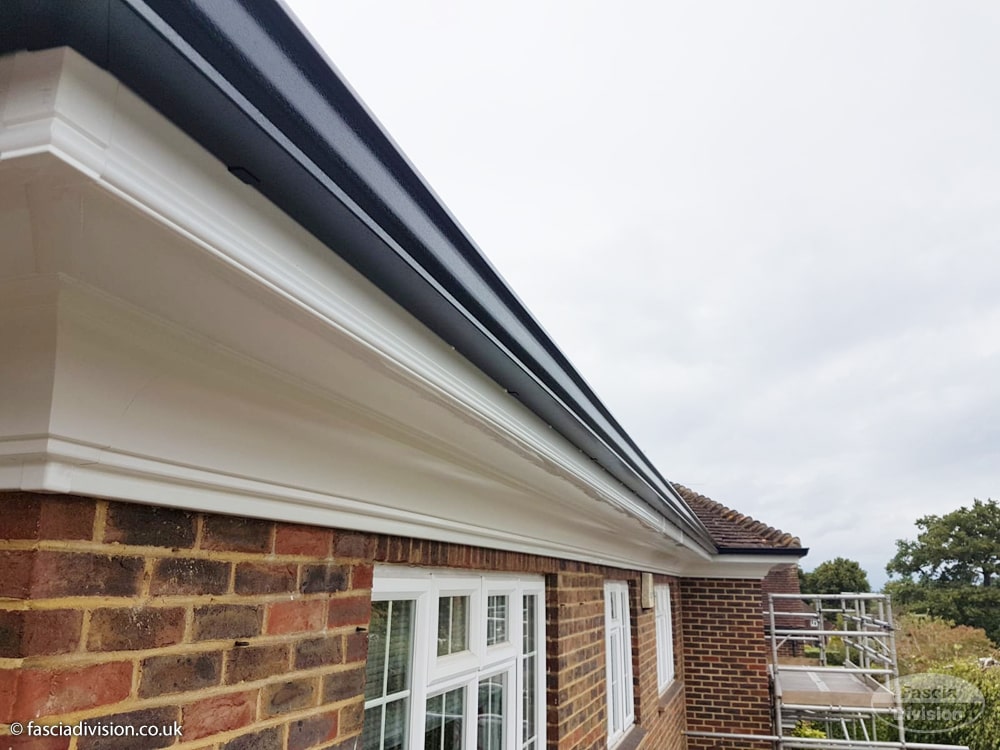
What is UPVC Soffit?
Soffit is the overhanging area of a roof that sits beneath the eaves. It is critical in supporting the roof while enhancing the home’s aesthetic appeal. Typically, soffits were made from timber, however with the arrival of UPVC, homeowners now have a more durable and low-maintenance alternative. UPVC soffits are weatherproof, resistant to rot, and deal exceptional thermal insulation.
Key Characteristics of UPVC Soffit
- Toughness: UPVC products are resistant to the aspects and do not warp or deteriorate like wood.
- Low Maintenance: Unlike wooden soffits that need regular painting and treating, UPVC soffits are simple to tidy and keep.
- Adaptability: Available in different styles and colors, UPVC soffits can match any architectural style.
- Insulation: UPVC uses outstanding thermal insulation residential or commercial properties, assisting in energy conservation.
Benefits of UPVC Soffit
In picking UPVC soffits, homeowners unlock numerous advantages:
-
Weather Resistance: UPVC soffits can endure severe weather– be it rain, snow, or sun– without damage.
-
Fire Resistance: UPVC is non-combustible, making it a much safer choice for many property owners.
-
Cost-Effectiveness: Although the initial investment may be higher than traditional materials, the longevity and minimized maintenance expenses often make UPVC the more economical option with time.
-
Improved Aesthetics: UPVC soffits are readily available in various finishes, enabling house owners to choose styles that enhance their home’s look.
Table 1: Comparison of Soffit Materials
| Product | Resilience | Maintenance | Cost | Aesthetic Options |
|---|---|---|---|---|
| UPVC | Really High | Low | Moderate | High (varied designs) |
| Wood | Moderate | High | Low-Medium | Moderate (minimal colors) |
| Aluminium | High | Moderate | Medium-High | High (different surfaces) |
| Vinyl | High | Low | Moderate | Moderate (some custom choices) |
Installation of UPVC Soffit
The installation of UPVC soffit can appear difficult, but breaking it down into manageable steps can streamline the process. It is recommended to engage professionals for a seamless installation, but house owners with DIY skills can follow these actions.
Steps for Installing UPVC Soffit
-
Procedure the Area: Use a measuring tape to identify the lengths and areas where the soffit will be set up.
-
Select Materials: Choose UPVC soffit boards in the preferred colors and styles, together with any required devices like nails and brackets.
-
Prepare the Surface: Clean and prepare the location to make sure optimum adhesion and fit.
-
Cut UPVC Boards: Use a saw to cut UPVC boards to the required lengths based upon your measurements.
-
Set Up Soffit Boards: Begin attaching the boards from one end, guaranteeing they are level and flush.
-
End up Edges: Use completing boards to cover exposed edges for a tidy look.
Table 2: Essential Tools for UPVC Soffit Installation
| Tool | Function |
|---|---|
| Measuring tape | For measurements |
| Saw | To cut UPVC boards |
| Level | To ensure boards are straight |
| Drill | For securing screws/nails |
| Security Equipment | To secure while setting up |
Maintenance of UPVC Soffit
Among the most considerable advantages of UPVC soffit is its low maintenance requirement. Nevertheless, with any material, some care is still important to prolong its life expectancy.
Tips for Maintaining UPVC Soffit
- Regular Cleaning: Use a soft brush or cloth together with warm soapy water to clean up the soffits.
- Inspect for Damage: Periodically check for cracks, stains, or other damages, particularly after severe weather condition.
- Seal Joints: Ensure all joints remain sealed to avoid leaks and water ingress.
- Prevent Harsh Chemicals: Do not utilize abrasive cleaners as these can harm the surface of the UPVC.
Often Asked Questions (FAQs)
Q1: Can UPVC soffit be painted?
A1: While it is technically possible to paint UPVC soffits, it is not advised as the paint may not adhere well and might peel over time. UPVC comes in various colors, removing the requirement for painting.
Q2: How long does UPVC soffit last?
A2: UPVC soffit can last over 20-30 years when effectively maintained. Its resistance to rot and decay considerably contributes to its durability.
Q3: Are UPVC soffits ecologically friendly?
A3: UPVC is recyclable, making it a more environmentally friendly alternative in comparison to many conventional products. Nevertheless, the manufacturing procedure has a carbon footprint, so consideration of one’s ecological impact is essential.
Q4: Is it needed to ventilate UPVC soffits?
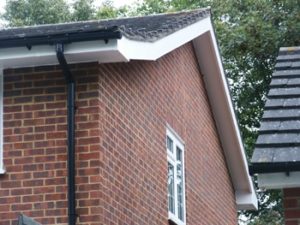
A4: Yes, correct ventilation is essential for preventing wetness buildup in the attic, which can cause mold and decay. Numerous UPVC soffit alternatives come with integrated ventilation features.
Selecting UPVC soffit can substantially enhance a home’s appearance while supplying long-term durability and low maintenance. With the numerous benefits of this material, consisting of weather condition resistance, fire safety, and cost-effectiveness, property owners are motivated to consider it for their renovation or building jobs. By understanding the installation, maintenance, and advantages of UPVC soffits, individuals can make informed options that safeguard their home financial investments while enhancing their home.